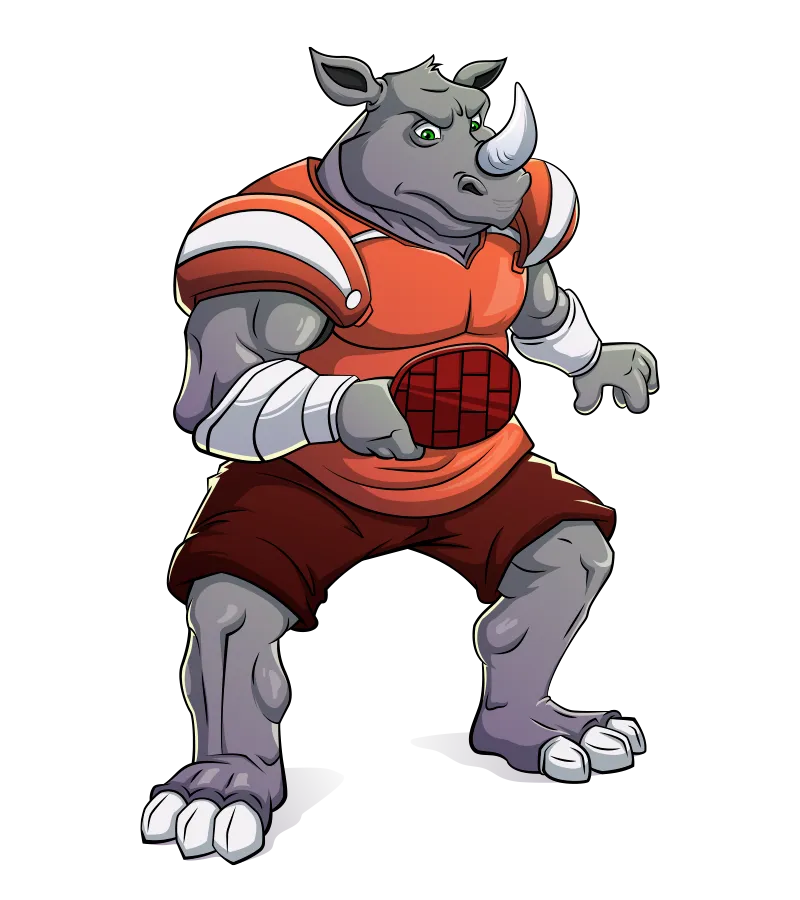
Playstyle Profile
The
Brick Wall
The Brick Wall is every offensive player's worst nightmare. These players like to use incoming speed and spin and use it in their favor, by blocking the ball back to the most awkward places.
Brick Walls can choose between inverted, long pips and antispin on their backhand side, each alternative with its own upsides.
Their main downside is that they seldom take the initiative, and this can turn against them when their opponent doesn't attack them, or when their opponent attacks them and they can't deal with their attacks.
These players are the only ones that can seamlessly transform defense into attack. This ability is what makes them so special.
Technical Anatomy
The Brick Wall profile is built on reflexes, accuracy, and an ability to turn an opponent's power against them. They thrive by making attackers feel like they are hitting into a wall.
Returns the ball reliably shot after shot without breaking down.
Reacts instantly to fast attacks and redirects them with precision.
Places blocks to the most awkward spots on the table.
Rarely initiates offense. Relies on opponents to create opportunities.
Often stands in place. Limited movement compared to other styles.
Advantages
The Brick Wall is uniquely dangerous because they use their opponent's own power against them. Well-placed blocks redirect fast attacks to impossible angles, turning offense into a liability.
Their ability to seamlessly transition from blocking to counter-attacking makes them unpredictable. One moment they are absorbing pressure, the next they are hitting a winner off a seemingly passive position.
Transformative style
They can turn defense into attack with just one block.
High consistency
They make few unforced mistakes.
Reversal qualities
They can use their opponent's attacks against them.
Match experience
Blockers are smart players who have lots of match experience.
Drawbacks
The Brick Wall's greatest weakness is their dependency on opponents attacking them. Against players who refuse to loop and instead push or play slow, Brick Walls have no way to generate points.
Their limited footwork also becomes a liability against opponents who vary placement widely, forcing the Brick Wall to move more than their style allows.
Lack of initiative
Brick walls don't attack much on their own.
Shot quality
Blockers usually don't attack with a lot of power.
Improper footwork
Lots of brick walls stand in place blocking.
Blockers' nature
They rely on their opponents to attack them.
Famous Players
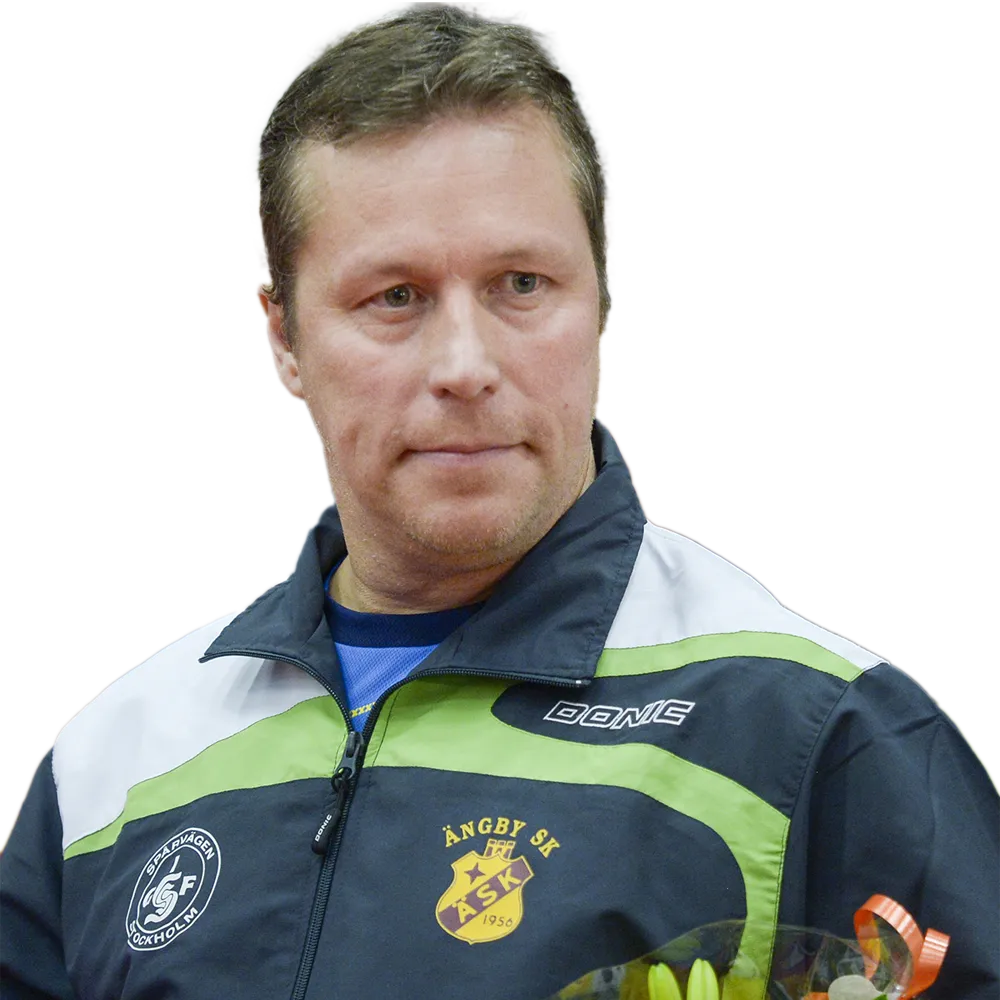
Jan Ove Waldner
For many the best of all time, Waldner excelled at placement and touch shots. His feeling was impeccable, and his blocks were sublime.
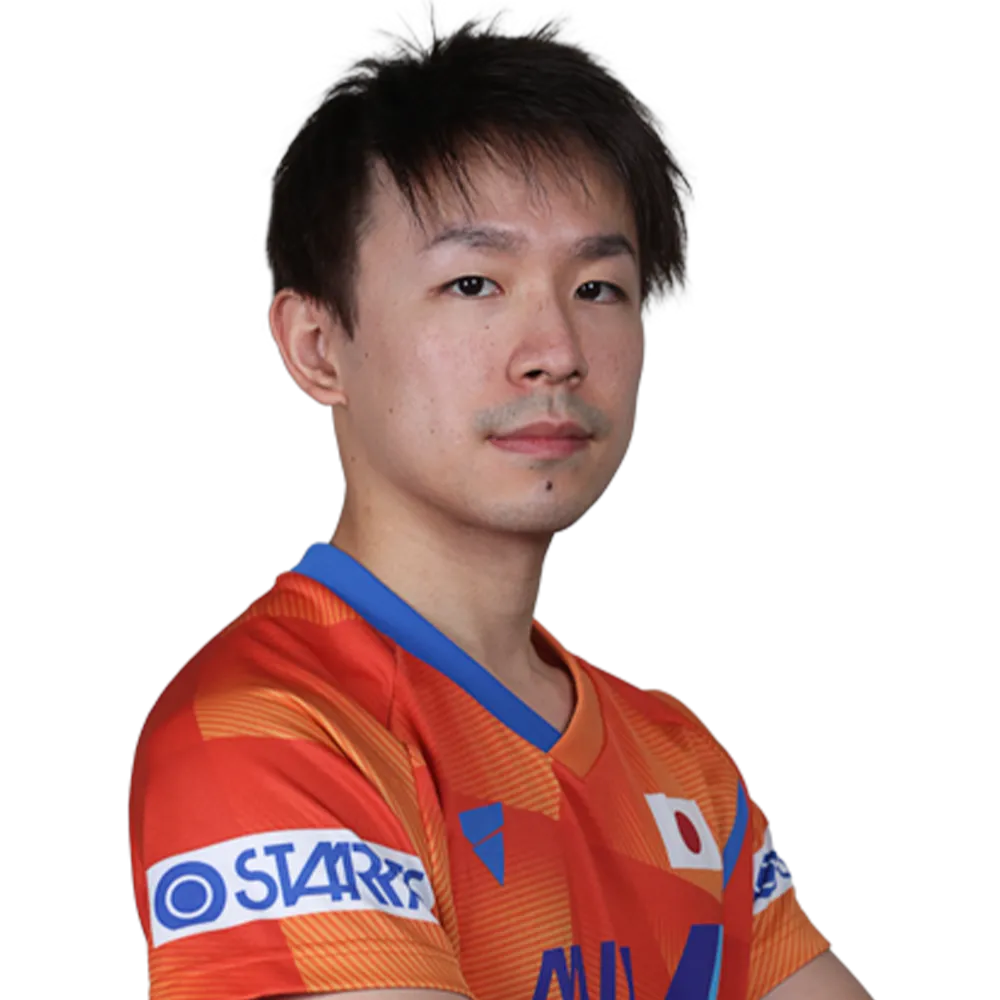
Koki Niwa
A crowd favourite, Koki is known for his no-sweat approach to the game. He moves his opponents around effortlessly.

Luka Mladenovic
Luka has perfected his antispin technique and he uses his devastating blocks to set up attacks, pivoting with his forehand or twiddling his racket.
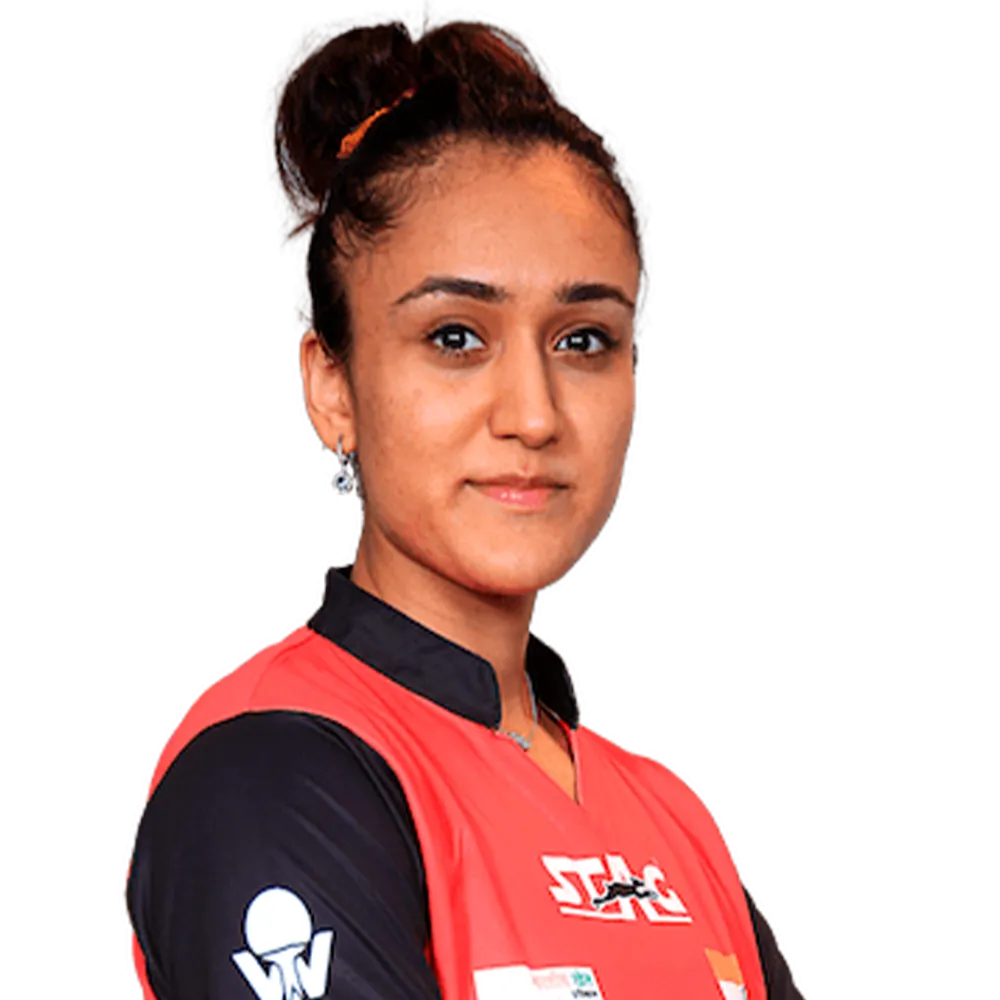
Manika Batra
The worst nightmare of any offensive player. She'll block or hit with her long pimples and capitalize on opportunities with her forehand loop.
Beginner Rackets
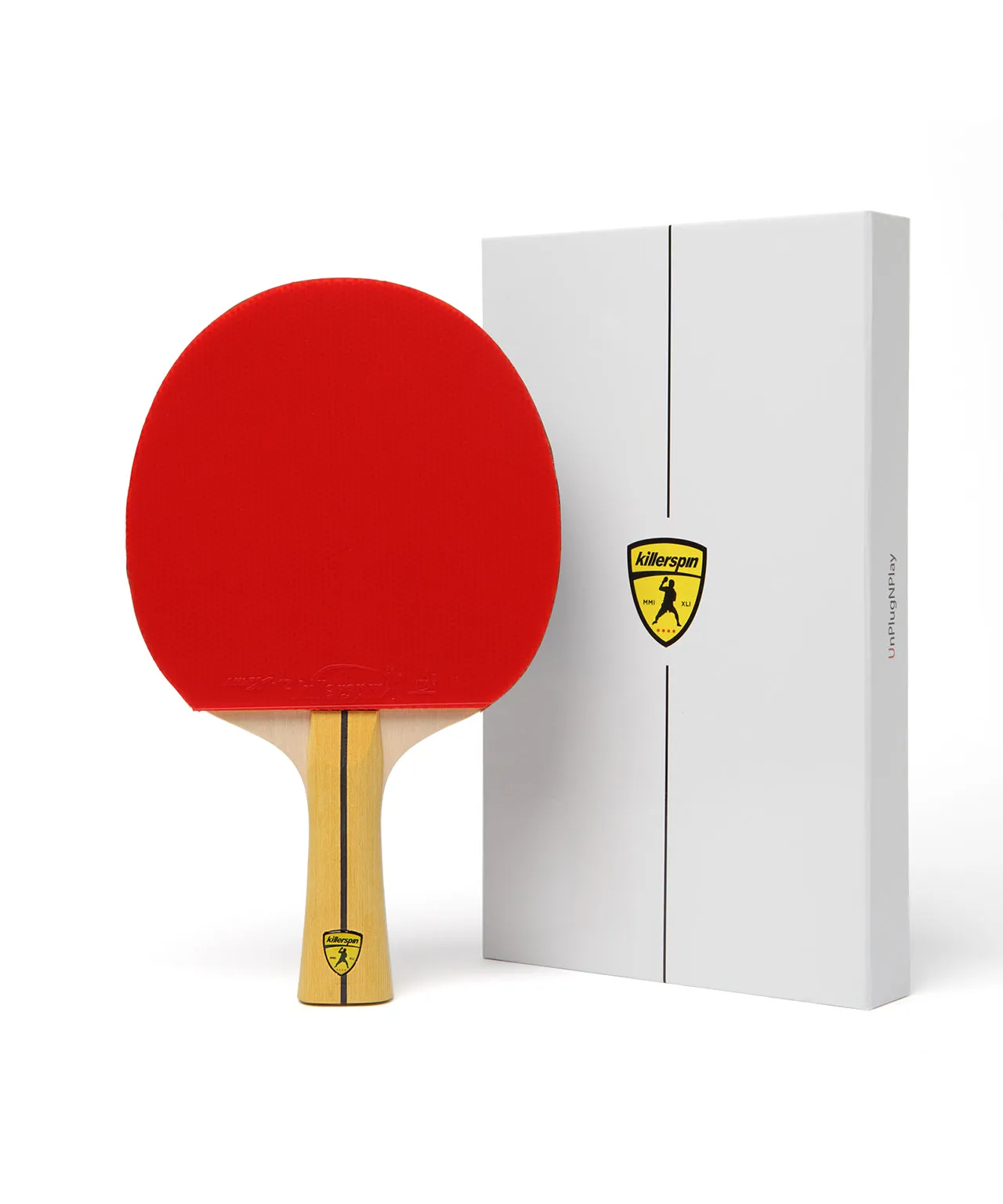
Killerspin JET400 Paddle
A lightweight, high-quality racket with the perfect balance of speed and control.
Weight
173g
Blade
5-Ply Wood
Sponge
1.8mm
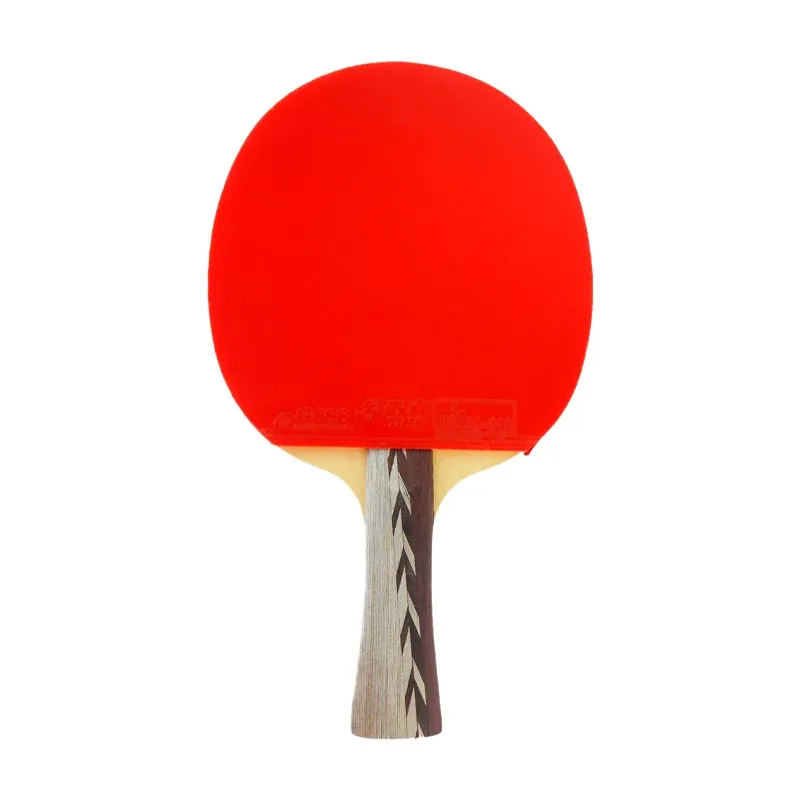
DHS 4002
A heavy, solid racket that has a stiff 7-ply blade for increased stability.
Weight
195g
Blade
7-Ply Wood
Sponge
2.15mm
Top Training Exercises

Block anywhere on the table
This exercise works the Brick Wall's reflexes and footwork.
For this exercise, the Brick Wall will block everything to their partner's forehand. Their partner will loop anywhere on the table and the Brick Wall has to block every shot to their partner's forehand while moving properly and taking the ball over the bounce.
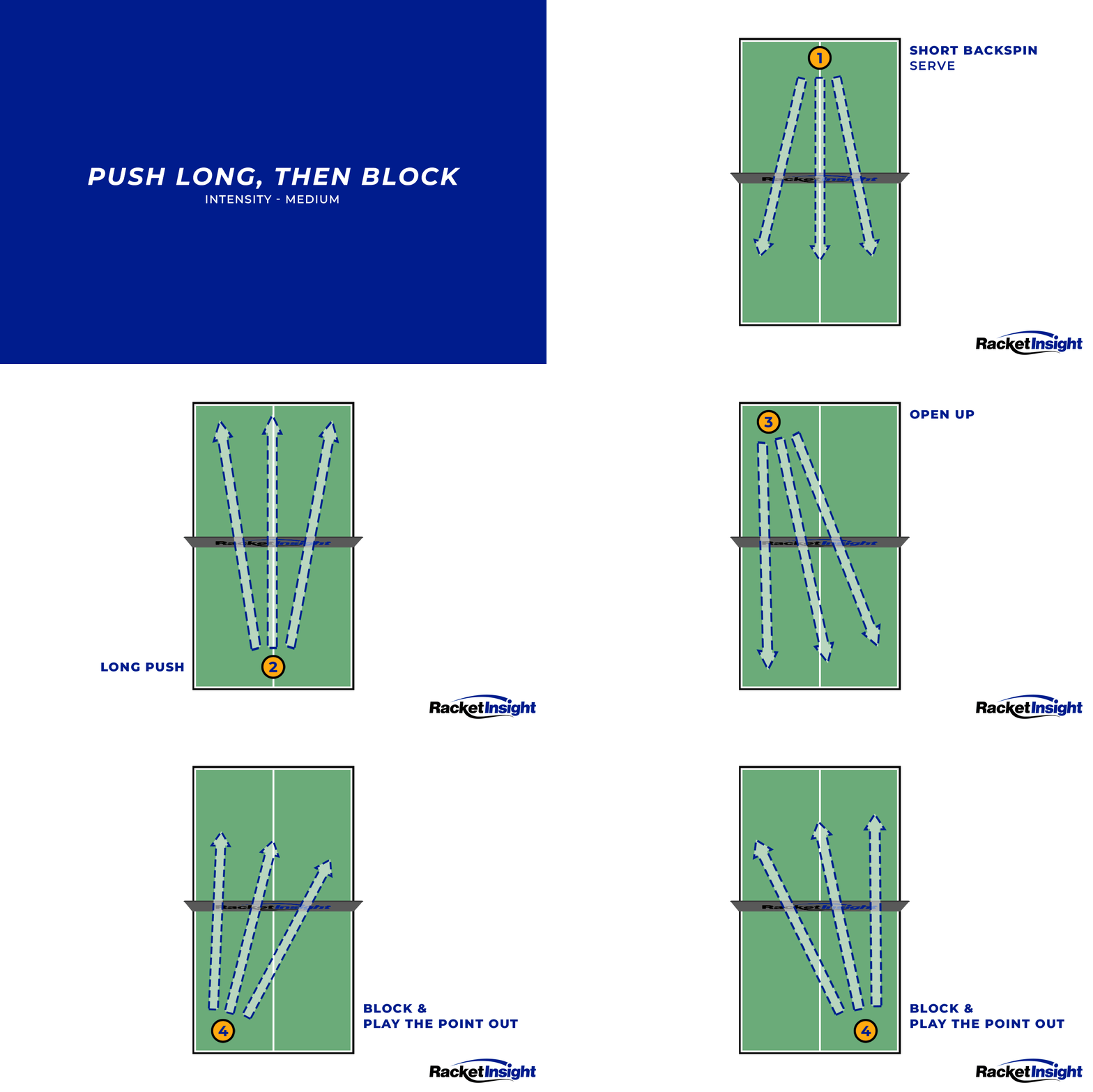
Push long, then block
For this exercise, the Brick Wall's partner will serve backspin and the brick wall will push long.
The Brick Wall must know how to deal with different types of open-ups and how to bother their opponents with their blocks.
The Brick Wall can take the speed out of the ball by blocking it short, they can chop block, block actively or block to an awkward place on the table. After that, play the point out normally.
Recommended Blades
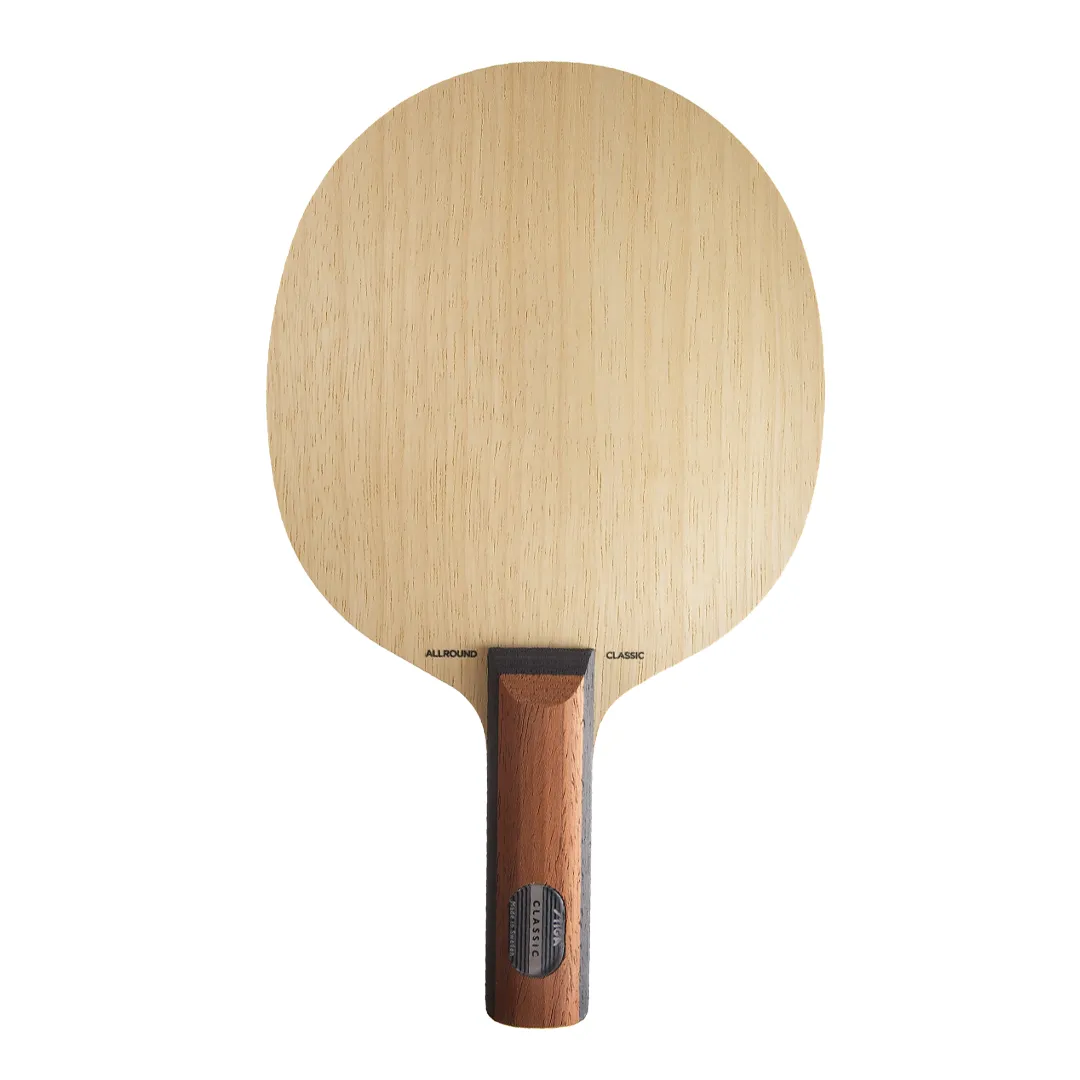
Stiga Allround Classic
The most sold blade of all time because of its unparalleled feel for the ball.
Revspin Reviews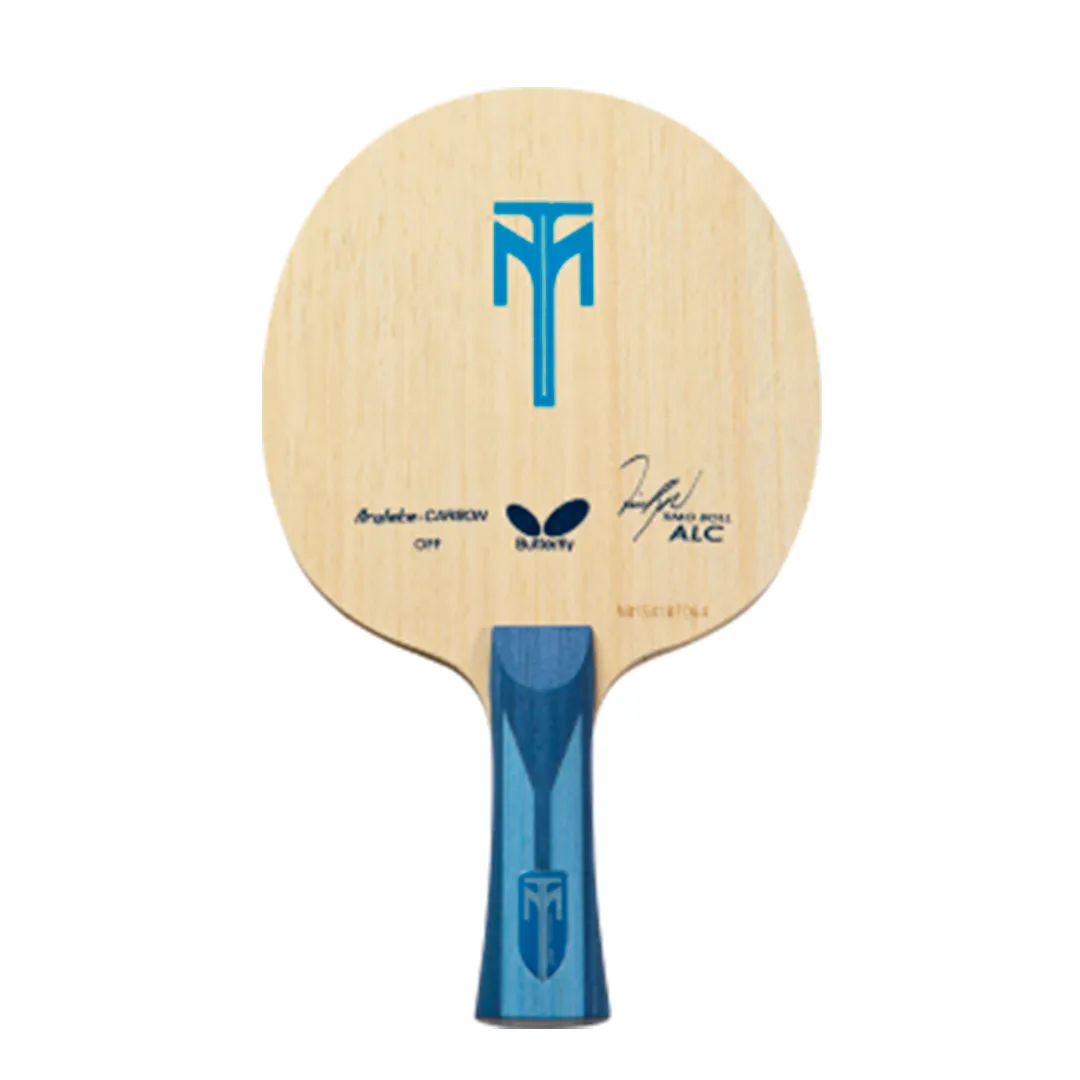
Butterfly Timo Boll ALC
A classic blade with a huge sweet spot, the best choice for fast blocks.
Revspin Reviews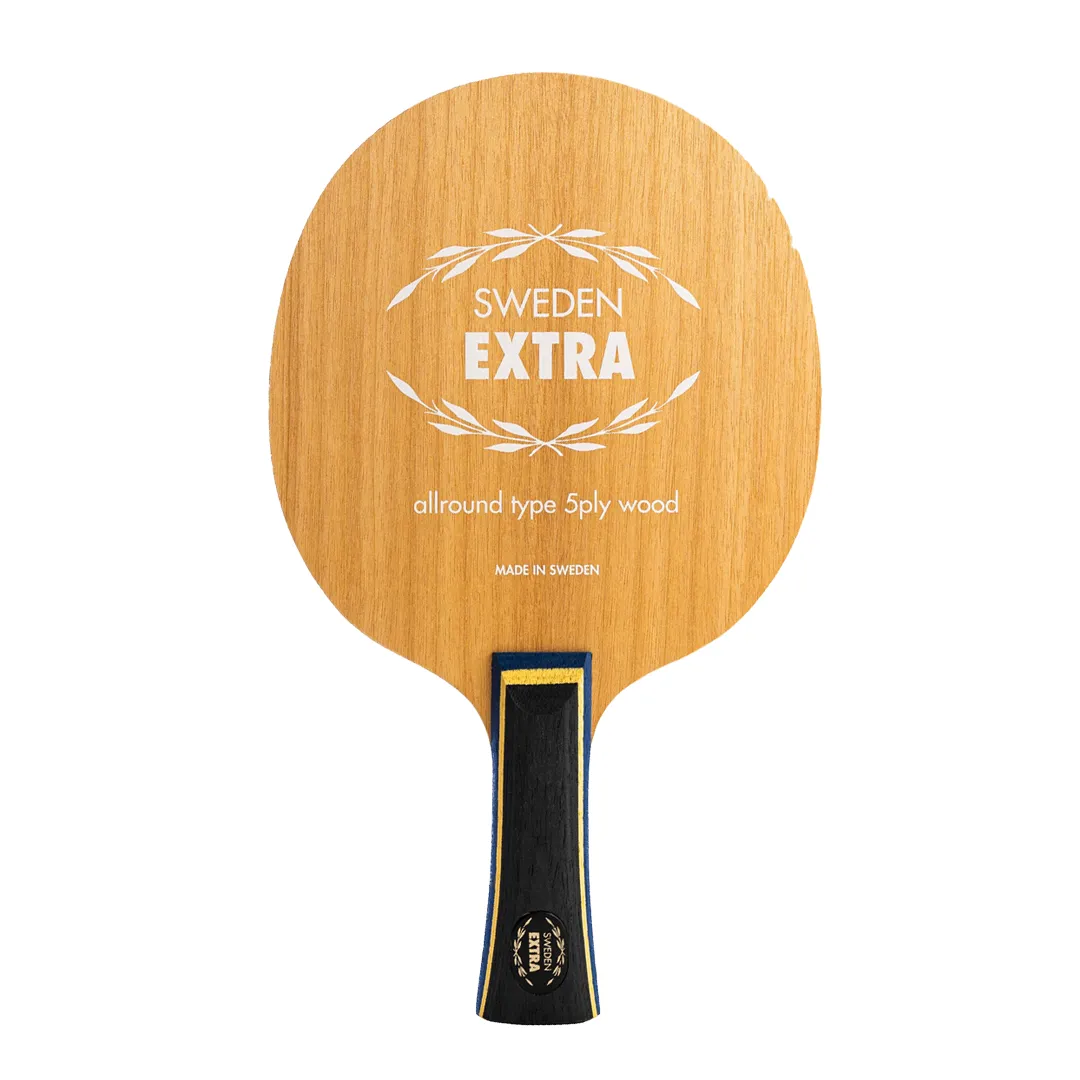
Yasaka Sweden Extra
A flexible Swedish blade with great feel and control, ideal for better placement.
Revspin ReviewsRecommended Rubbers

Yasaka Rakza 7
Offensive that's quite insensitive to incoming spin, great for blocking.
Rakza 7 Review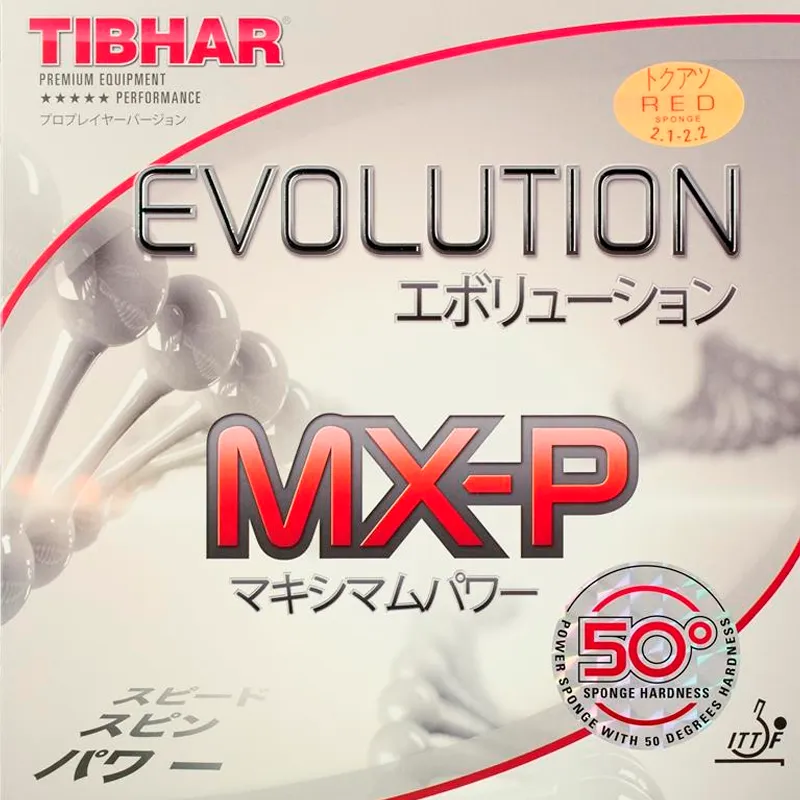
Tibhar Evolution MX-P
One of the fastest rubbers, well placed blocks are almost unreturnable.
Tibhar MX-P Review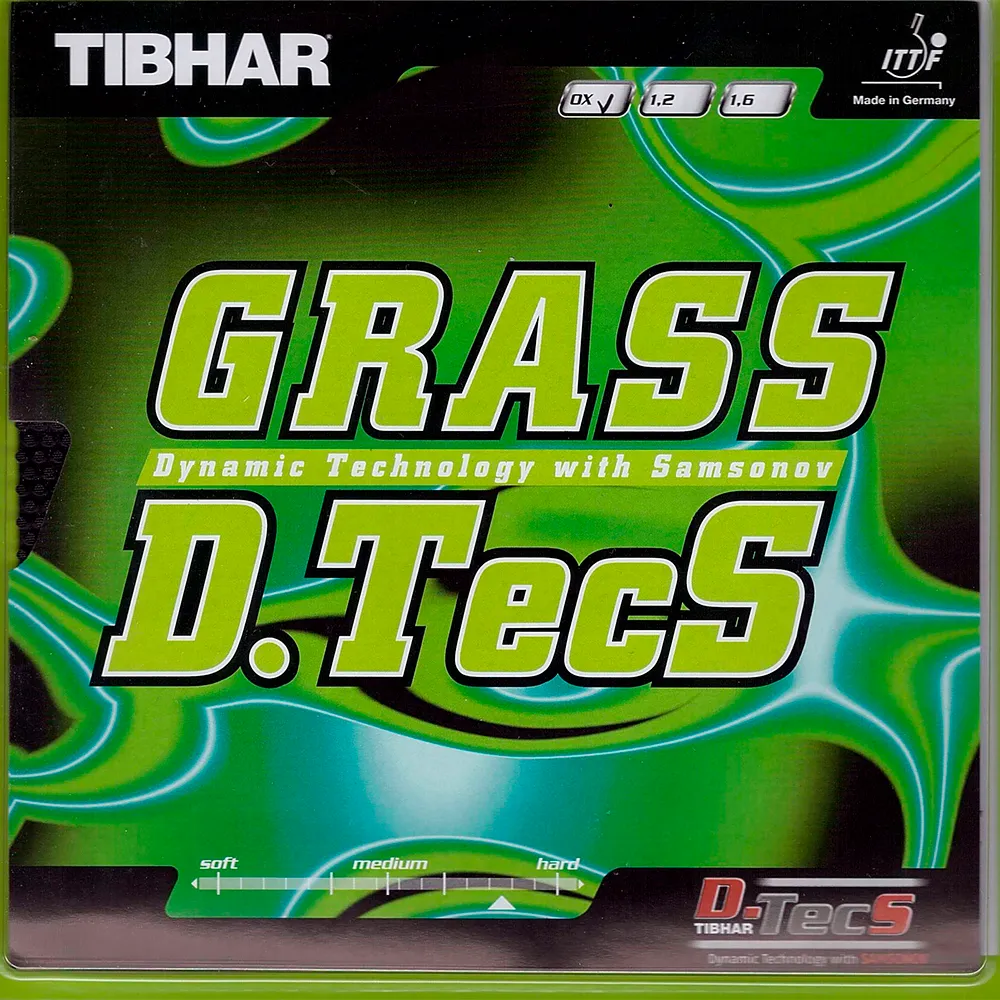
Tibhar Grass D.tecS
Long pips with great deceptive capabilities when blocking close to the table.
Revspin Reviews
Dr. Neubauer ABS
Frictionless antispin rubber that'll return the ball with enormous amounts of spin.
Revspin ReviewOur recommendations not right for you? Try our partner's quiz at blade-rubber.
Coaching Tips
Work on your placement
It's essential for a blocker to know where to place the ball. The 3 main areas you want to place the ball are the wide forehand, the wide backhand, and the elbow. Hitting these spots consistently will make you a very dangerous player.
Analyze your opponent
In tournaments, you will play against a different player every match. Some are good with their forehands, others are good with their backhands, and others hate it when you place it near their elbow. Try thinking about what placement your opponent struggles with the most.
Variate your blocks
If you're going to use blocking as your main source of points, then you need to variate your blocks. You can't block the ball the same way all the time because your opponent will adapt quickly. Use a mix of active blocks, passive blocks, chop blocks, and short counters while variating your placement and your blocking game will be a nightmare to deal with.
Useful Articles
Playing Table Tennis With Long Pimples
We’ll explain the 4 most common playing styles for anyone playing with long pimples, with important advice on how you can win more matches.

Improve Your Mental Game at Table Tennis
Win more table tennis matches with these 5 tips to improve the mental side of your game. Most players neglect the mental side of table tennis, so you can find an advantage against every opponent with our expert advice.
Table Tennis Tournament Preparation
Table tennis tournaments are intense, high-stakes events. This is how you should prepare effectively and give yourself the best chance of victory.